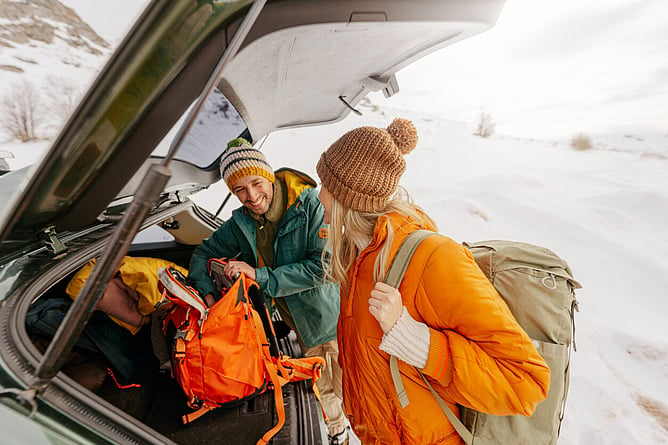
Think you need to spend $1,000 on snow gear before leaving New Zealand? Think again. When it comes to preparing for a Canadian winter on the IEC working holiday visa, packing smart doesn’t have to mean packing heavy or spending big.
This guide strips things back. We’ll cover what’s worth squeezing into your suitcase, what you’ll probably want to buy once you land, and how other IEC visa holders make it work without blowing the budget.
Whether you’re bound for Whistler, Banff or somewhere in between, here’s how to pack with practicality.
What to Pack Before Leaving New Zealand
Some things are just easier (and often cheaper) to sort before you go. Especially when you’re arriving in Canada mid-winter and want at least the basics to get started.
The Must-Haves:
These are worth packing early. Think items that are reliable, not bulky, and might cost more or be harder to find across the pond.
Thermals (merino or synthetic) for layer one
One set of gloves and a beanie for warmth on arrival
At least one fleece or lightweight warm jumper
One pair of decent quality jeans or warm trousers
Undies and socks. No need for 30 pairs, but enough to handle days between laundry access
Lightweight rain jacket or shell so you stay dry even if your snow gear’s still on the shopping list
If in doubt, layer it. Most people underestimate just how useful those first few thin thermals can be.
Big-Item Gear: Should You Pack or Buy?
Winter jacket: Buy in Canada
Unless you already own a proper snow-rated jacket, this is usually better to buy once you get there. Brands like Columbia, The North Face and MEC (Mountain Equipment Co-Op) are easy to find in Canada, and you'll often get a far better jacket for the same or less than you’d spend back home. There are also plenty of second shops and online markets to find better bang for your Canadian buck!
Snow Boots: Buy in Canada
You’ll want waterproof, insulated boots. It’s tempting to bring some from New Zealand, but unless they’re made for icy footpaths at minus 15, consider waiting. Budget chains like SportChek or used gear shops in Canada have decent options from around CAD $60, and again with other travellers coming and going you will find plenty of places to buy them second hand.
Ski or Snowboard Gear: Rent or Buy After You Land
If snow sports are part of your plan, grab the essentials there. Many winter towns have swap meets, rental resale deals and second-hand Facebook groups that keep the cost down.
You might also get loaner gear as part of a resort or hospitality job. No need to pack your own snowboard unless you’re already a committed shredder.
What IEC Travellers Often Regret Packing
It’s easy to go overboard. The most common overpacking culprits?
Too many shoes (you’ll likely rotate between snow boots and sneakers)
Casual clothes for going out (layers usually trump fashion on sub-zero nights)
Bulky blankets or bedding (your first flat will almost always have these, or you can grab them cheap from Walmart or IKEA)
Remember, weight adds up fast. You’ll thank yourself later if your bag isn’t pushing the airline limit while you’re changing terminals in Vancouver.
Backpack vs. Suitcase: What Works Best for a Working Holiday?
There’s no one perfect answer here. What works depends on where you’re heading.
Suitcase wheels are handy in cities but hopeless in deep snow
A 65L travel backpack is versatile and manageable
Some travellers opt for a rolling duffel that handles both
If you know you’ll be commuting by foot in the snow, a pack with padded straps and weather-resistant material might just save your shoulders and your socks.
Extras Worth Packing (But Not Essential)
Portable power bank
Universal adaptor (Canada is 110V)
Copies of your key documents (in hardcopy and digital)
Small toiletry bag to get you through the first few days until you shop
One or two familiar snacks or treats from home. They’ll come in handy on homesick days, trust us
Travel Insurance Tip: What to Have Sorted Before You Arrive
Even if your backpack’s half full, don’t cut corners with the paperwork. For an IEC visa, you need valid travel insurance that covers the full length of your stay in Canada.
That means:
Medical cover
Hospital and emergency care
Repatriation (getting you home if needed)
You’ll need to show your cover when you arrive, and your visa may be shortened if your policy is too. We can help you get the right insurance from day one.
How IEC Visa Travellers Keep It Simple
The best packing advice we hear? Leave room. There will always be something you wish you’d brought and something you’ll pick up there. You’ll probably need fewer outfits than you think.
Most IEC travellers arrive with one solid outfit for the cold, and build from there. From second-hand scores to coworker hand-me-downs, your Canada wardrobe tends to evolve with the weather and your job.
Let’s Get the Essentials Covered Before You Fly
At Travel Insurance Brokers, we have the years of experience to help Kiwi travellers heading to Canada on an IEC visa sort their insurance with zero jargon. That way, you can check one more thing off your list without wondering if it meets immigration requirements.
Planning your working holiday? Get your quote today or read more about IEC visa insurance. We’re here to make sure the only thing you stress about is choosing between two snow jackets on sale at MEC.